
Oct 21 2026
Annual Learning and Development Conference 2026 – CAPE TOWN
Cape Town Marriott Hotel Crystal Towers






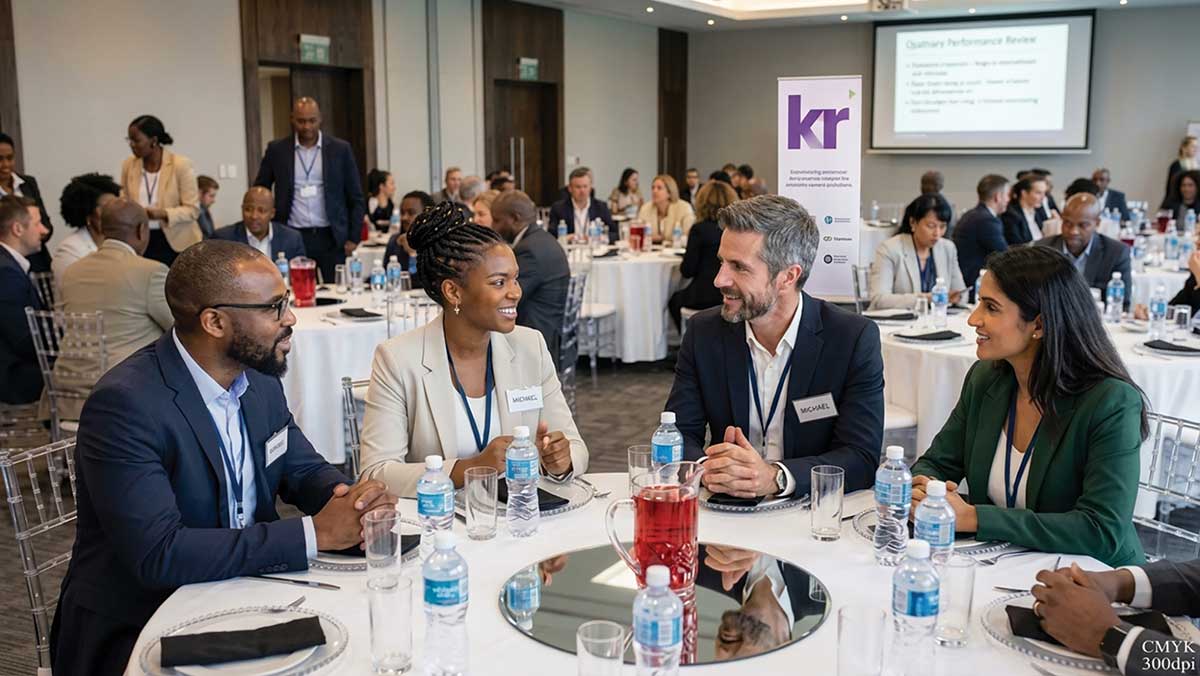
Use performance, talent and retention insights to make better business decisions.
HR functions generate large volumes of data, but data alone does not tell leaders what action to take.
Performance ratings, talent assessments, engagement levels and retention information can provide valuable insights into an organisation’s people risks and opportunities. However, inconsistent rating practices, managerial bias, different operating conditions and subjective talent discussions can make it difficult to turn this information into meaningful decisions.
This practical two-day workshop equips HR professionals and leaders to use people data more effectively. Participants will learn to interpret performance data, strengthen talent calibration, identify retention risks and make better-informed decisions about talent development and organisational effectiveness.
The workshop focuses on interpreting what the data means and deciding what leaders should do with the insights.
DAY 1: FROM PERFORMANCE DATA TO TALENT INSIGHTS
Understanding Performance Through Data
Participants will examine how managerial practices, operating conditions and evaluation methods influence performance data.
Key Focus Areas
Participants will learn to:
Talent Calibration: Reducing Subjective Judgement
Participants will explore how reliable performance and potential data can strengthen talent calibration and provide a more consistent basis for talent decisions.
The 9-Block Grid
Participants will learn to:
Practical Application
Through case studies, interactive discussions and hands-on exercises, participants will work with performance data, calibration scenarios and the 9-Block Grid.
DAY 2: FROM TALENT INSIGHTS TO BUSINESS ACTION
Retention Analytics: Identifying and Prioritising Talent Risk
Effective retention planning requires insight into why employees may leave and what their departure would mean for the organisation.
Participants will explore how retention analytics can identify potential turnover risks by considering the impact of loss, engagement levels and broader talent-risk and segmentation approaches.
Key Focus Areas
Participants will learn to:
From Data to Decisions
The final part of the workshop brings performance, talent and retention analytics together.
Participants will explore how people data can support more informed decisions around:
Performance, talent, risk, development, retention and organisational effectiveness. Rather than relying on isolated HR metrics, participants will learn to connect different sources of people data to build a clearer picture of organisational priorities and talent risks.
Practical Application
Participants will work through practical case studies and scenarios to:
What You Will Take Back to Work
From Data Collection to Action
Move from collecting and reporting people data to interpreting it, identifying what matters and turning insights into action.
Who Should Attend
This workshop is designed for:
 | Martin SutherlandFounding Partner, Peopletree Group |
| Martin Sutherland has spent his career tackling one question: why do so many companies fail to get real value from their biggest investment—their people? He believes the issue isn’t individual HR tools, but fragmented systems that don’t work together, leading to poor talent decisions and missed opportunities. As the architect of Peopletree Group’s Talent Management as a Service (TMaaS) model, Martin helps organisations build Sustainable People Ecosystems that turn HR into a strategic driver of growth. His work focuses on integrating processes, data, technology, and teams into a coherent system that multiplies value rather than diluting it. With a background in Psychology, Philosophy, and Training Management, he is known for translating complex people data into practical, business-focused insights. Martin is a regular conference speaker and published thought leader on talent strategy and organisational design. |




© Copyright 2004 – 2025 | KNOWRES (PTY) LTD | All rights reserved


