
Oct 21 2026
Annual Learning and Development Conference 2026 – CAPE TOWN
Cape Town Marriott Hotel Crystal Towers





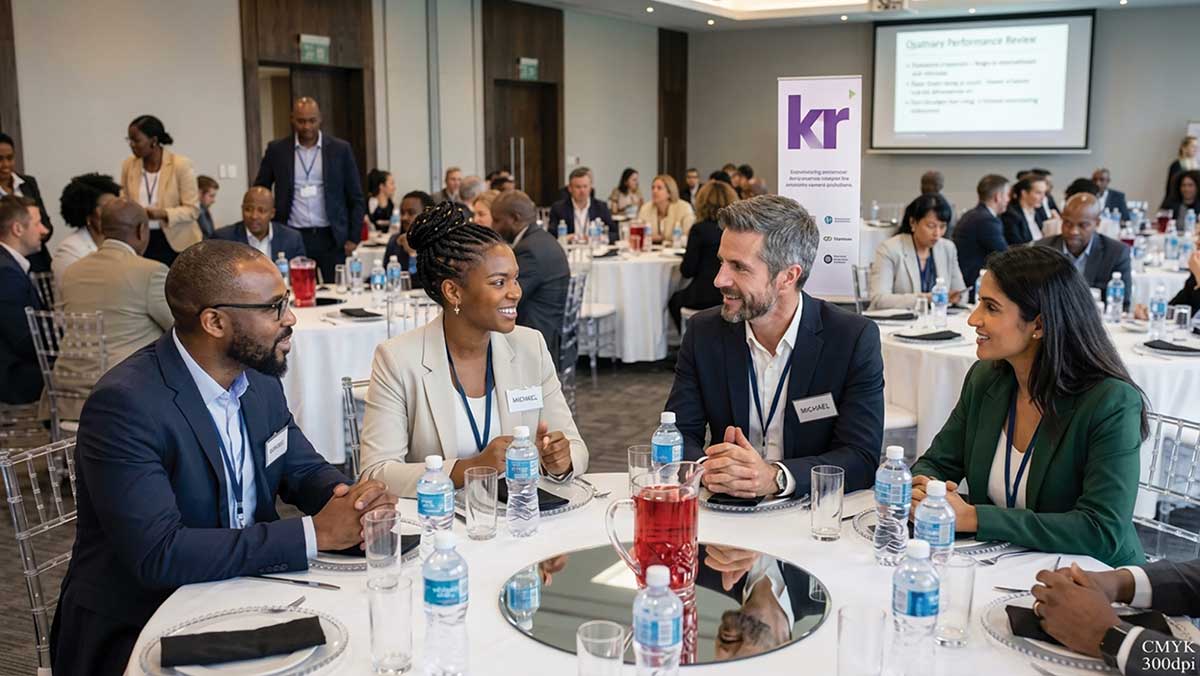
Use neuroscience to understand behaviour and lead change more effectively.
AI integration, hybrid work and organisational transformation are placing significant demands on people and leaders.
This evidence-based workshop introduces an applied organisational neuroscience approach to help HR leaders understand how the brain responds to uncertainty, technological disruption, change and workplace relationships.
The programme explores neural networks, memory systems, neuroplasticity, cognitive load, social cognition and psychological needs. It then translates these concepts into practical people and organisational strategies.
DAY ONE
The Neurocognitive Foundations of the Future-Ready HR Leader
Explore:
DAY TWO
Neuro-Informed People Strategy and Culture Design
Explore how to:
Key Takeaway
Participants gain practical insight into how brain function and behaviour influence leadership, culture and organisational performance.
Who Should Attend
 | Ingra Du Buisson-Narsai PhDDirector, NeuroCapital & Organisational Psychologist |
| Ingra is the co-founder and Director of NeuroCapital Consulting, which consults to some of South Africa’s leading and most admired companies. She is the author of the bestseller “Fight, Flight and Flourish: How neuroscience can unlock human potential”. Ingra has 20 years of executive-level experience in corporate South Africa. She is an award winning Organisational Psychologist in private practice. Her unique contribution is as a catalyst for change, using integrative organisational neuroscience. Ingra is also an established leadership and executive coach and is affiliated with the Wits Business School (WBS) in South Africa, where she supervises and examines the work of post-graduate students in Business and Executive Coaching. Ingra is an Executive Committee Member of the Society for Industrial and Organisational Psychology of South Africa (SIOPSA) and the Chair for the Interest group of Applied Organisational Neuroscience (AONS).Ingra’s academic qualifications include an MCom (Organisational Psychology), PGCNL and Masters of Science (MSc) in Neuroscience of Leadership, and a Ph.D. in Organisational Neuroscience. Ingra actively pursues the increasing visibility of neuroscientific methods and diagnostics in the study of organisational behaviour. |


© Copyright 2004 – 2025 | KNOWRES (PTY) LTD | All rights reserved


